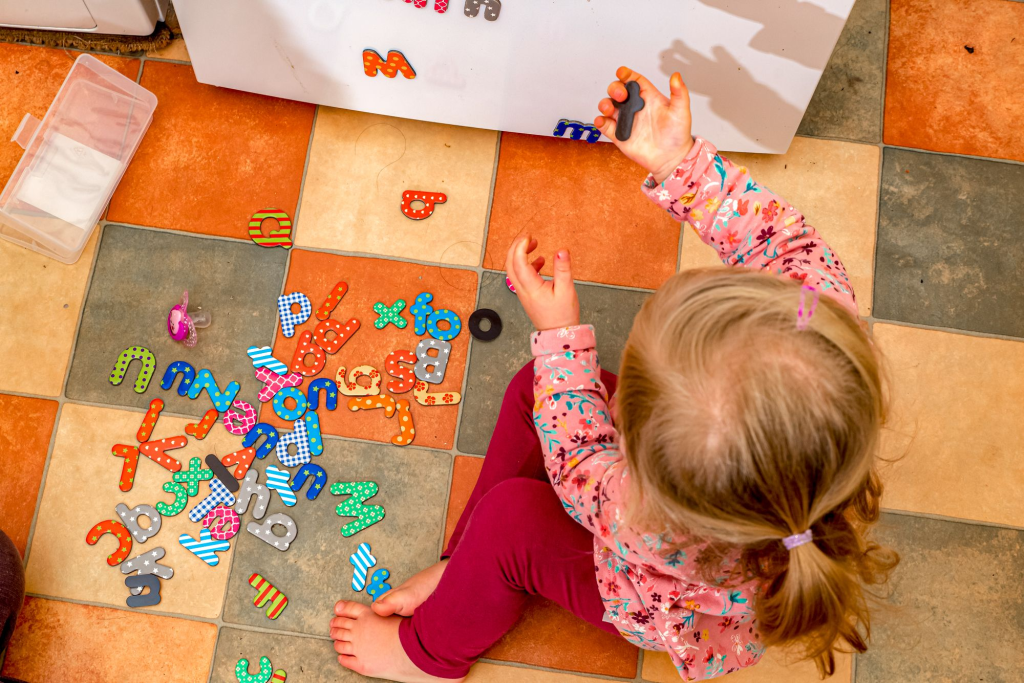
Homeschooling offers a unique opportunity to Freecreditmalaysia99 personalize a child’s education, allowing for flexibility, creativity, and a deeper connection between student and teacher. One of the best ways to make homeschooling more engaging is by incorporating educational indoor games. These games combine fun with learning, helping children grasp important concepts in subjects like math, language arts, science, and social studies—all while fostering important skills like problem-solving, teamwork, and critical thinking.
In this blog, we’ll explore a variety of educational indoor games that can elevate your homeschooling experience, making it not only educational but also fun and interactive.
- Educational Board Games
Why It’s Great:
Board games are classic indoor activities that can turn learning into a competitive and exciting experience. They often combine strategy, decision-making, and problem-solving, which are all crucial skills for children to develop.
Examples:
Scrabble: A fantastic game for improving vocabulary, spelling, and word formation. Scrabble encourages children to learn new words while thinking critically about letter placement to maximize points.
Monopoly: This game is a fun way to teach math and financial literacy. It involves addition and subtraction as well as strategy, negotiation, and resource management.
The Game of Life: Great for teaching children about decision-making, money management, and the consequences of their choices. It also helps reinforce basic math skills related to budgeting, earning, and spending.
Sequence: This is a fun way to practice logic and strategy while learning about the importance of pattern recognition.
Pro Tip: Many board games have versions adapted to different learning levels, making them great for both younger and older students. They can be used to reinforce subjects like language arts, history, or even geography.
- Math Bingo
Why It’s Great:
Bingo is a game that children of all ages can enjoy, and it’s incredibly versatile for different educational subjects. By using math-based Bingo cards, kids can practice addition, subtraction, multiplication, and division in a fun and engaging way.
How to Play:
Create Bingo cards that have math problems written on them, with the answers in the squares. Call out the answers one by one, and have the kids mark off the corresponding problems on their cards. The first player to complete a row (or column) shouts, “Bingo!” and wins.
Pro Tip: For younger students, use simple addition or subtraction problems. For older students, introduce multiplication, division, or even fractions. You can also make the game thematic (e.g., “Fraction Bingo” or “Geometry Bingo”) to align with specific areas of study.
- Word Search or Crossword Puzzles
Why It’s Great:
Word search and crossword puzzles are excellent tools for reinforcing vocabulary, spelling, and critical thinking skills. These activities challenge children to recall spelling rules, recognize words in different contexts, and develop their cognitive abilities.
How to Play:
You can create custom word search or crossword puzzles based on the subject your child is studying. For example, you could design a word search filled with terms from their science curriculum, or a crossword puzzle focused on historical figures or events.
Pro Tip: You can find many printable word search and crossword puzzles online, or you can create your own using online tools. For an extra challenge, encourage your children to make their own puzzles for the family to solve!
- Scavenger Hunts
Why It’s Great:
Scavenger hunts are a fantastic way to get kids moving while reinforcing concepts like observation, categorization, and critical thinking. These hunts can be tailored to any subject, making them an adaptable option for various lessons.
How to Play:
Design a scavenger hunt around a specific topic. For example, if you’re studying biology, create a list of items related to animals, plants, or the human body that the child can find around the house or yard. If the lesson is about geometry, you can have them search for objects with specific shapes (squares, circles, triangles).
Pro Tip: For a fun twist, turn the scavenger hunt into a timed competition or give them riddles to solve before finding each item. This can add an element of problem-solving to the hunt, making it both educational and exciting.
- DIY Science Experiments
Why It’s Great:
Science experiments offer hands-on learning, which is one of the most effective ways for children to grasp complex concepts. These experiments often require critical thinking, hypothesis testing, and observation skills—tools that are essential for any budding scientist.
Examples:
Baking Soda and Vinegar Volcano: A classic science experiment that illustrates chemical reactions. It’s simple, fun, and visually engaging, making it perfect for younger students.
Density Tower: Using liquids of different densities (such as oil, water, and syrup), students can learn about how and why objects float or sink in different liquids.
Making Slime: A fun experiment that can also introduce children to basic concepts of chemistry and the physical properties of materials.
Pro Tip: These experiments can be tied into lessons about scientific methods. Have your child make predictions, observe the reactions, and discuss the results to encourage a deeper understanding of the scientific concepts at play.
- Memory and Matching Games
Why It’s Great:
Memory and matching games are wonderful for developing cognitive skills like focus, concentration, and pattern recognition. They can also be tailored to specific subjects, such as history, geography, or literature.
How to Play:
Create sets of cards with matching pairs related to what the child is learning. For example, you could create history cards with historical figures and their corresponding accomplishments, or geography cards with countries and their capitals. The child must then match the correct pairs.
Pro Tip: For an added twist, you can increase the difficulty by adding more cards or having the child match not just names, but also dates, facts, or definitions.
- Pictionary or Charades
Why It’s Great:
Pictionary and charades are creative, interactive games that help children practice their language skills, improve their vocabulary, and engage in visual thinking. These games can be tied into various subjects, from literature to science to social studies.
How to Play:
In Pictionary, the player must draw a word or phrase related to their current lesson, and others must guess what it is. In charades, the player must act out a concept without speaking, and others must guess what it is. You can choose specific themes, such as “animal kingdom” for science or “Shakespearean characters” for literature.
Pro Tip: For younger children, make the clues simpler or use visual aids. For older children, try making the clues more abstract or complex, focusing on historical events, scientific terms, or literary figures.
- Geography Trivia Games
Why It’s Great:
Geography trivia games are a fantastic way to reinforce knowledge about countries, capitals, landmarks, and natural features. These games are perfect for homeschoolers looking to expand their understanding of the world in a fun, competitive way.
How to Play:
Prepare a list of geography-related questions or use an online trivia generator. Players answer questions about countries, continents, capitals, famous landmarks, and geographic features. The person with the most correct answers wins the game.
Pro Tip: You can make it more visual by showing pictures of landmarks or asking students to locate countries on a map. This encourages both memory and spatial awareness.
- DIY History Timeline
Why It’s Great:
Creating a history timeline can be a fun, hands-on way for children to learn about historical events in chronological order. This activity helps kids visualize history, see cause-and-effect relationships, and improve their organizational skills.
How to Play:
Use a long piece of paper or a wall space to create a timeline. Have your child add pictures, dates, and descriptions of historical events as they learn about them. You can also incorporate interactive activities, such as reenacting important events or making a history quiz about the timeline.
Pro Tip: For older children, add more complex historical events or encourage them to research specific moments in history to add to the timeline.
Conclusion
Educational indoor games are an essential tool for homeschooling, offering a way to engage children in fun, interactive learning experiences that go beyond the traditional classroom setting. By incorporating games into your homeschooling routine, you can help your child retain information, develop new skills, and foster a love for learning.
 Site Title
Leave a comment